Overview
Meet NTM-Zashchita — a Russian instrumentation company founded in 1991 by MIFI graduates. They design and manufacture measuring equipment for occupational safety: noise, vibration, electromagnetic fields, microclimate, laser radiation — the kind of stuff that tells you whether a workplace or a building is safe to be in. Biggest manufacturer in this niche in Russia, 80+ distributors across the country.
I joined in 2013 as a web content manager.

My role
I came on board as a web content manager — updating pages, keeping things current. Pretty quickly I started suggesting improvements to the site itself, then taking on design tasks. Within a year I became the company's sole designer, responsible for everything visual: the website, product interfaces, marketing materials, technical documentation.
I stayed for nine years.
The website
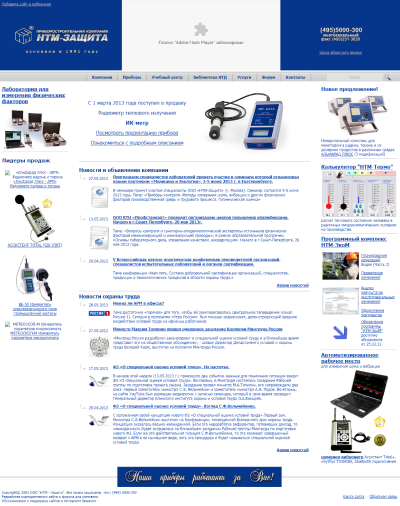
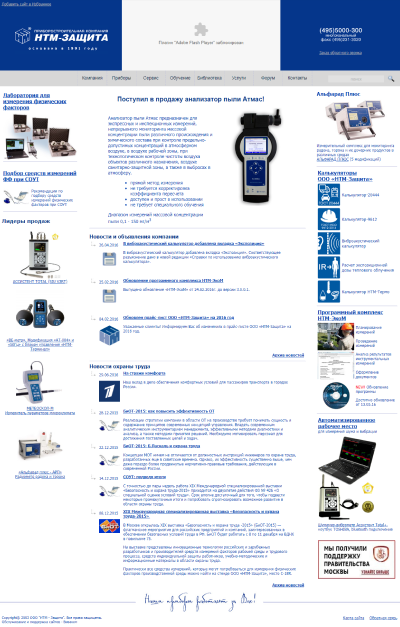
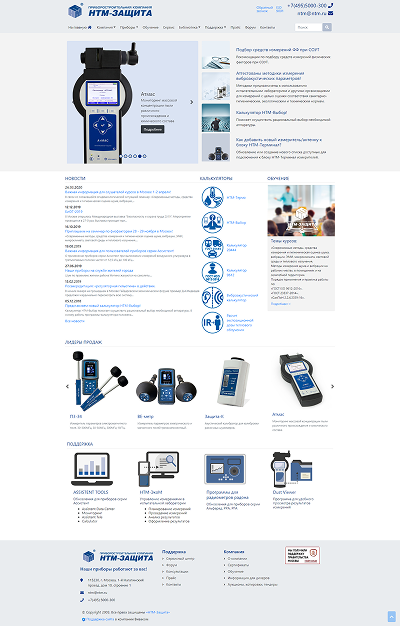
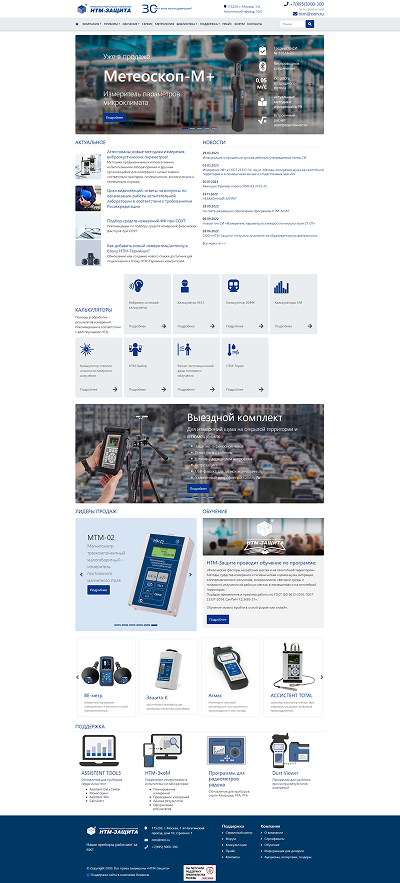
I redesigned and rebuilt the corporate website from scratch — layout, copy, illustrations, everything. Over the years it went through three major iterations as the company's product line grew and web standards evolved.
Beyond the homepage, I reworked the information architecture across the site: equipment catalog, document library, software support pages. The goal was always the same — help customers understand what the equipment does, find the right fit for their needs, and place an order without friction.
Engineering calculators
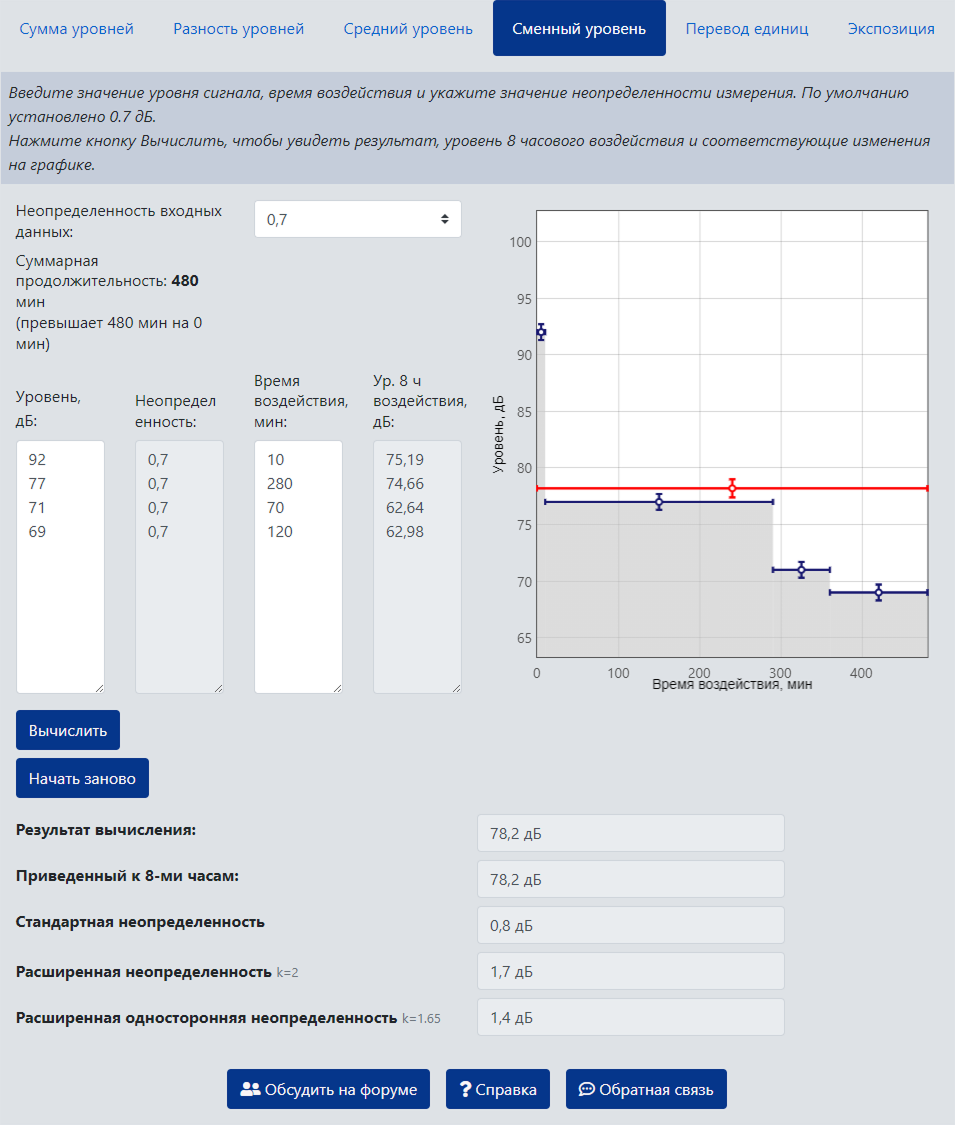
People who work in occupational safety — measuring noise, vibration, heat, laser radiation at workplaces — don't just take measurements. Afterward, they need to calculate whether the results comply with safety standards. The regulations involve complex formulas, lookup tables, and domain-specific math that most practitioners aren't trained for.
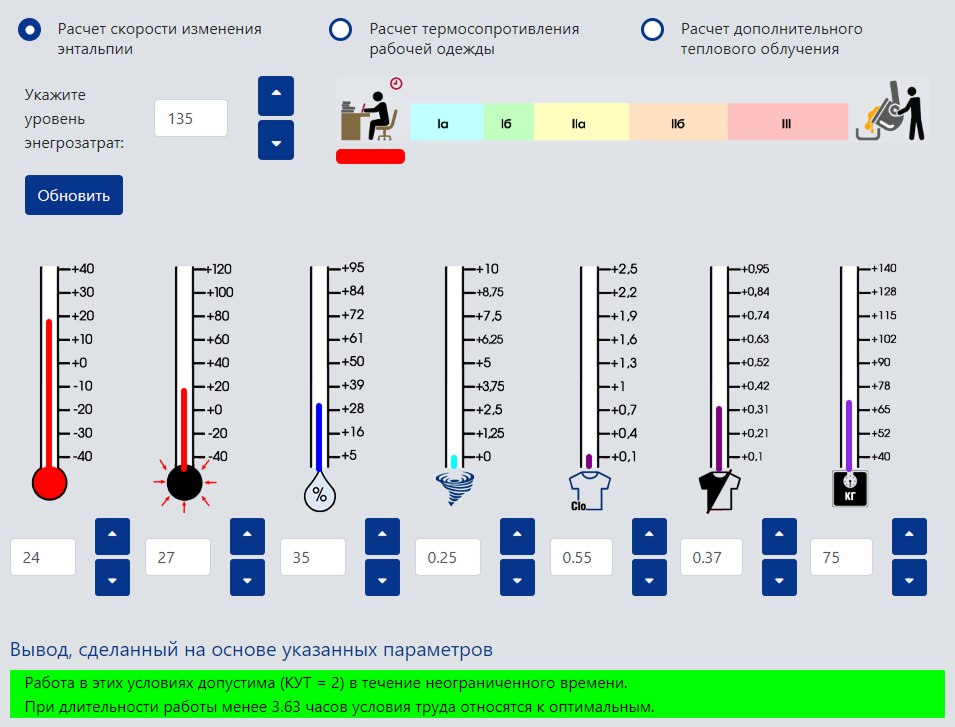
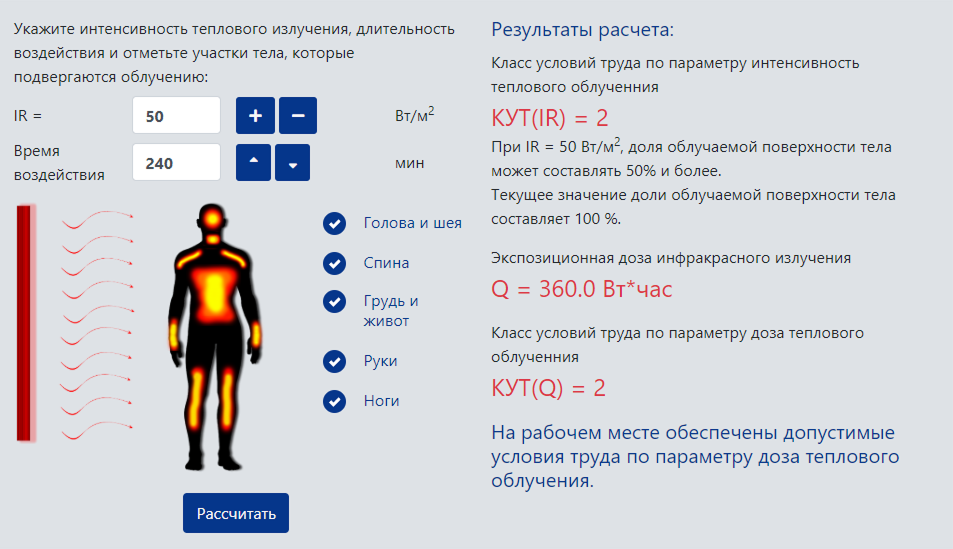
I saw this gap while working on the website and proposed a solution: web-based calculators that let users input their measurements and get results instantly. I identified the problem, conducted UX research, designed the interfaces from wireframes to final UI, and worked with a developer who translated the regulatory formulas into code.
We built over half a dozen of these — vibration and acoustics, thermal exposure, microclimate assessment, laser radiation safety, traffic noise, and more. They became some of the most-used pages on the site.
Device UI & icon system
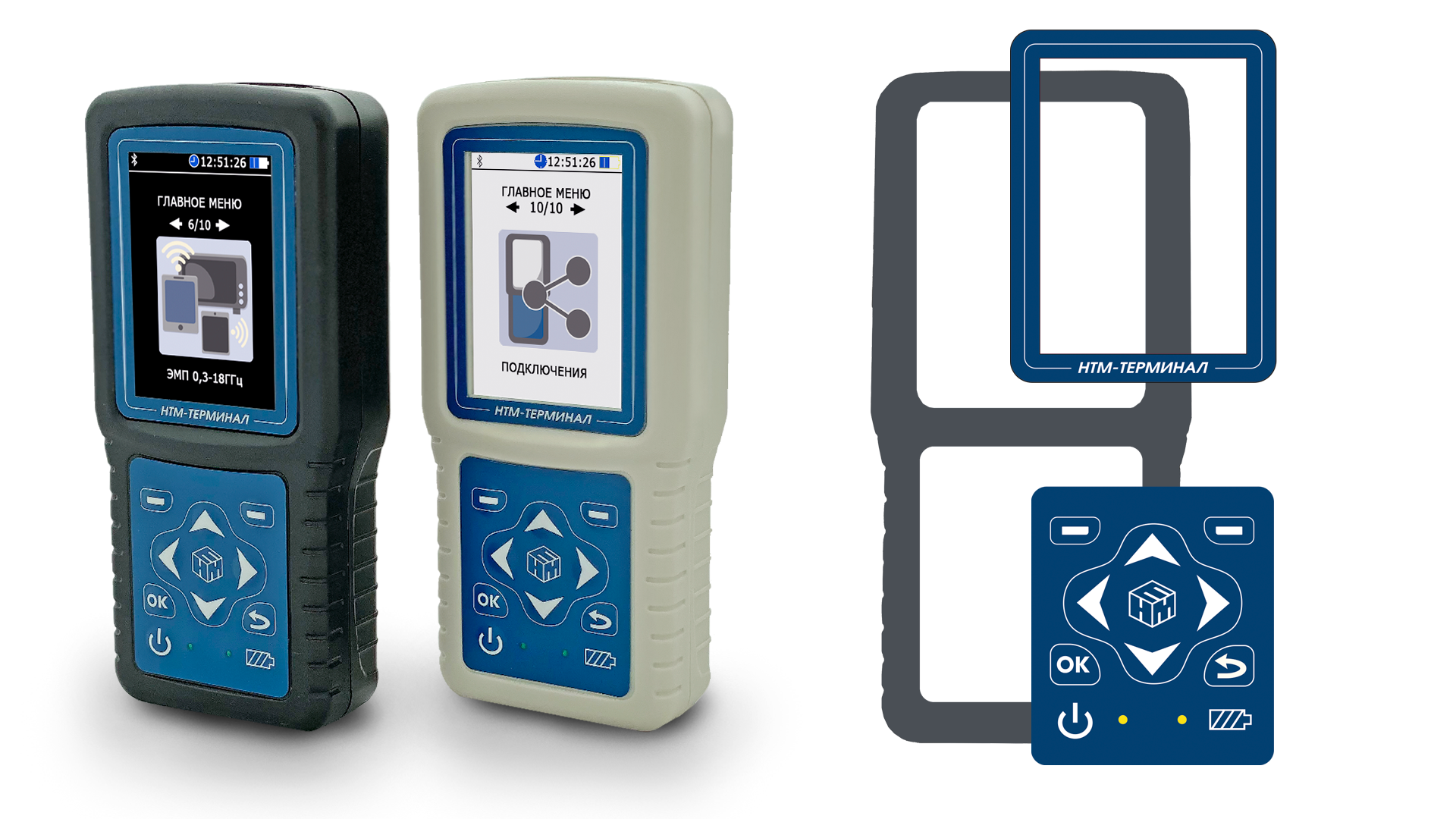
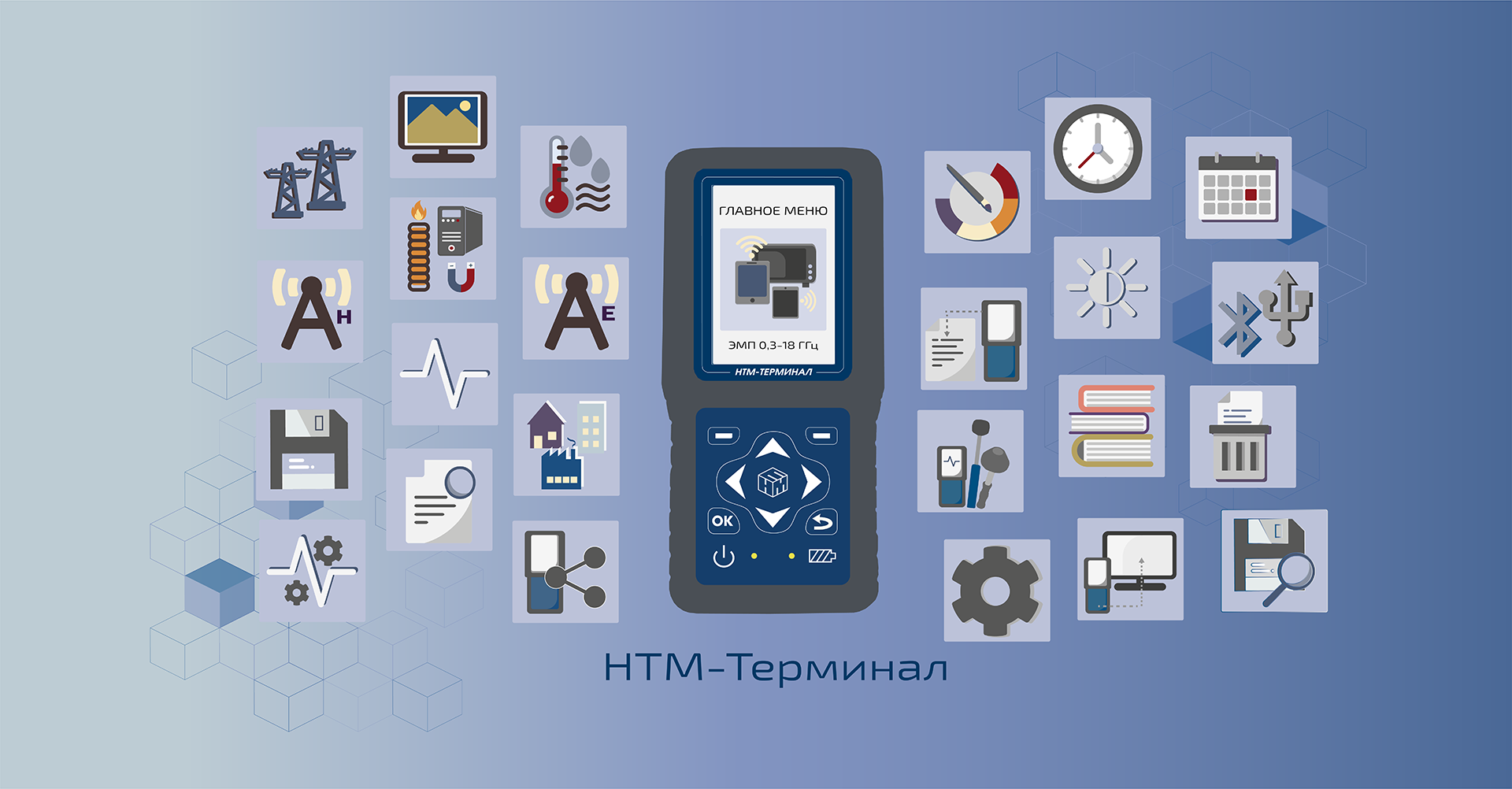
I designed the interface for NTM-Terminal — a handheld measuring device used in the field. This meant working within tight physical constraints: a small, low-resolution display, navigation through a limited set of hardware buttons, and a keyboard layout dictated by the circuit board dimensions.
I created the full icon set for the device menu, designed the screen navigation flow, and drew the keyboard panel layout for manufacturing.
Technical documentation & print
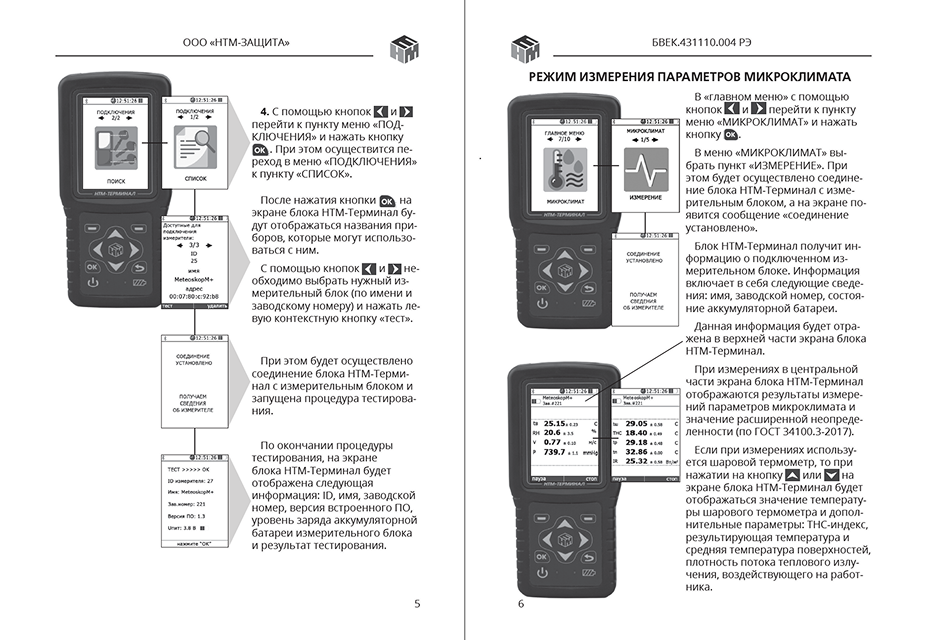
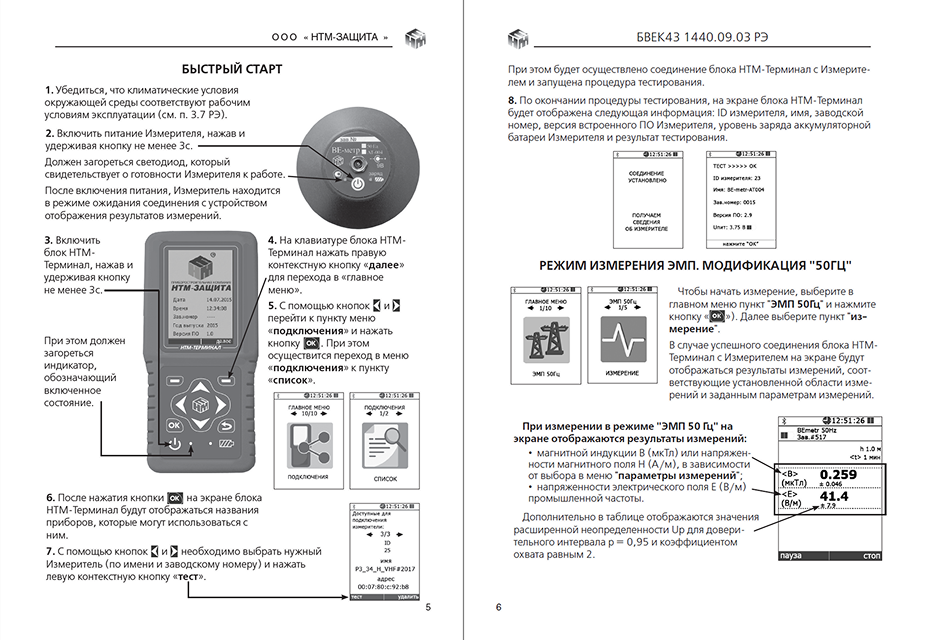
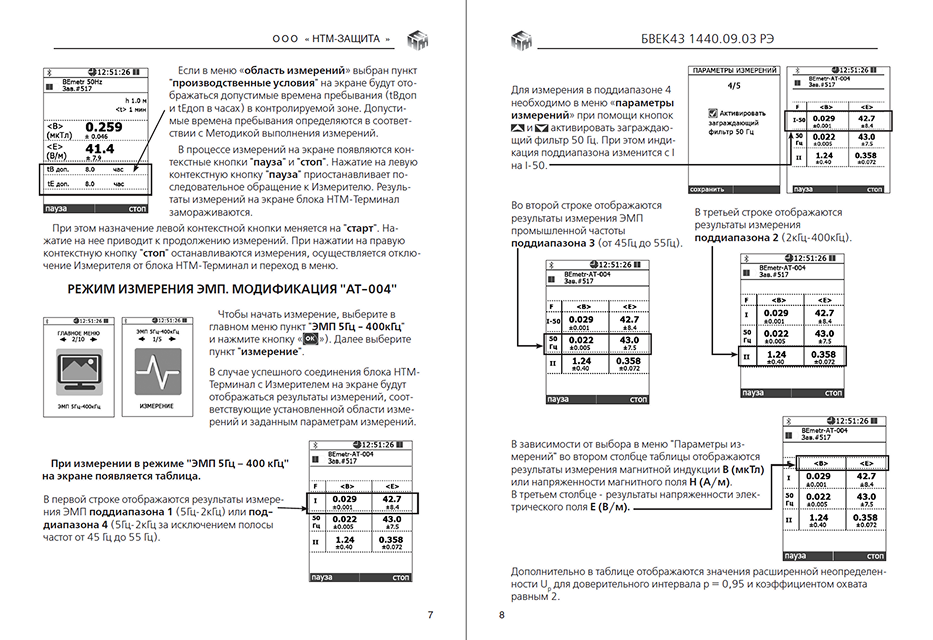
I managed all of the company's print output. For technical manuals, this meant taking raw engineering text and turning it into structured, illustrated documentation — formatting, layout, visual aids — for the entire product line.
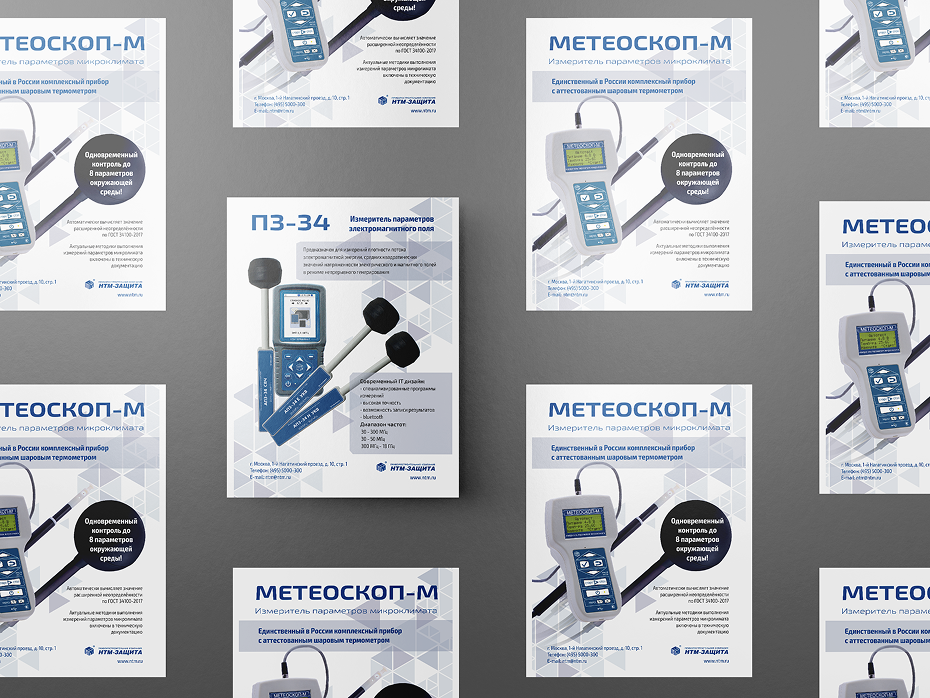
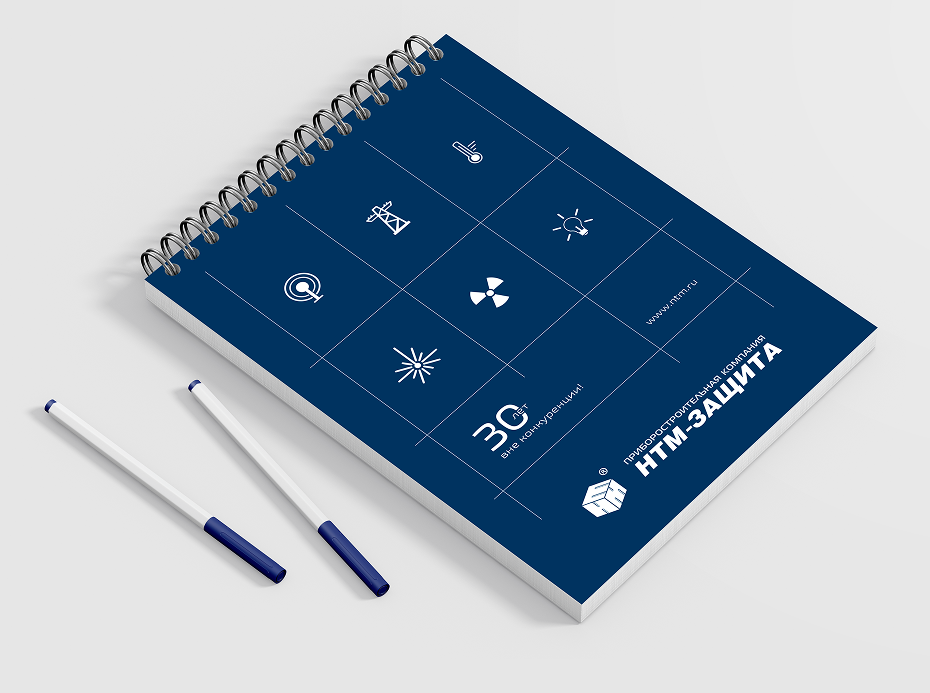
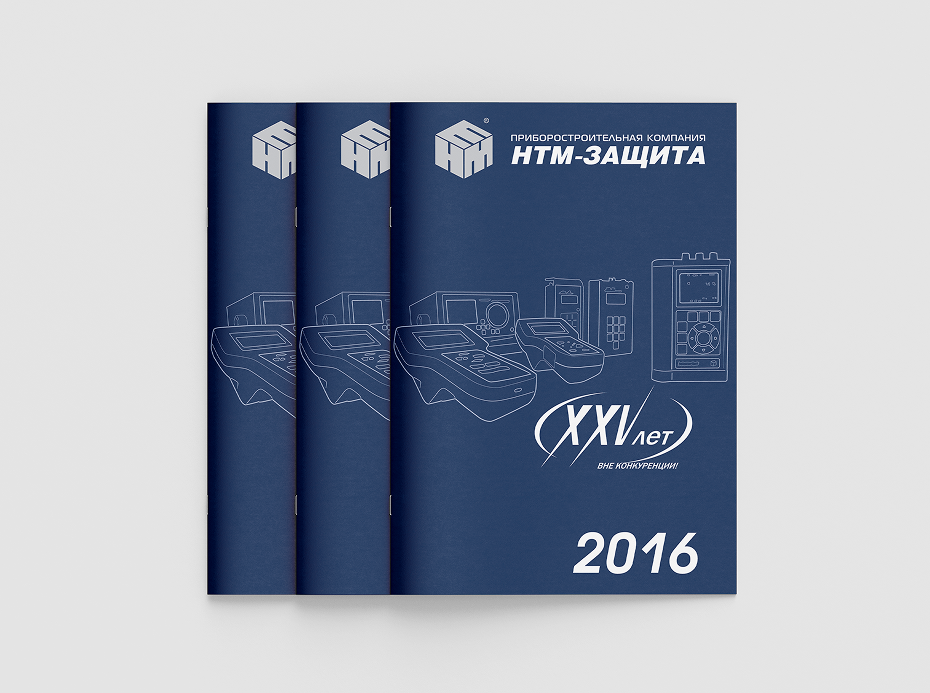
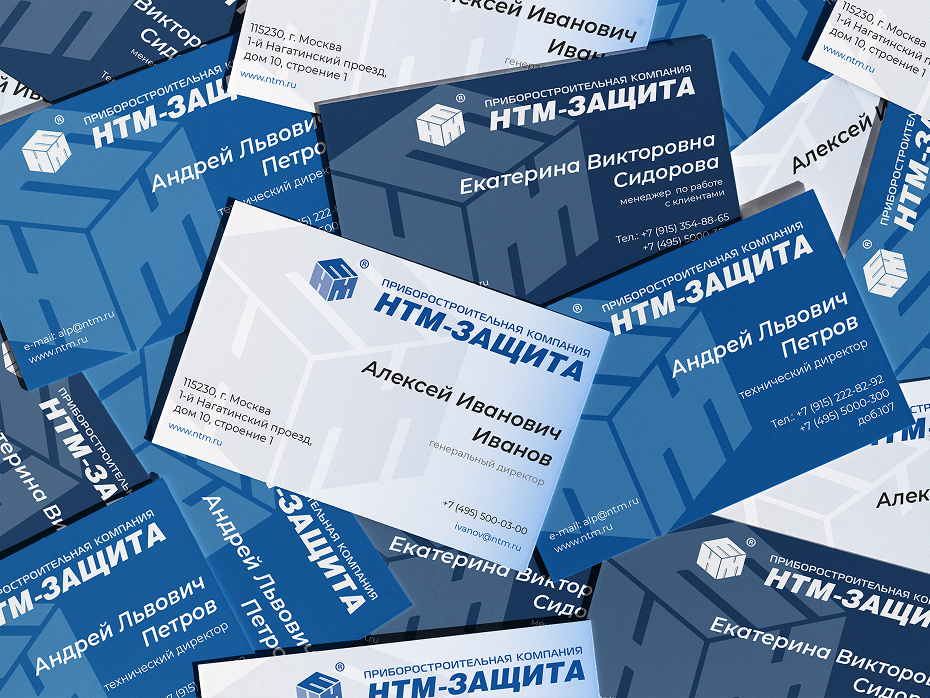
For marketing materials — equipment catalogs, brochures, promotional print — I owned the full process: concept, layout, copy, photography, approvals, and print production.
What this taught me
I spent nine years here. I came in knowing how to manage content; I left knowing how to design.
I learned by doing — building layouts, studying code, figuring out print production — in a time when there weren't many courses or tutorials to turn to. I learned to think systematically, to work without detailed briefs, and to deliver anyway.
Most of all, I learned by working alongside engineers, scientists, and technical specialists. People who cared deeply about precision and substance. The respect I earned from them — people I respected myself — mattered more than any title.